Ecosystem Update January 2026
We are pleased to share the January 2026 Ecosystem Update, highlighting developments in the macro environment, market performance, the broader industry landscape, and Advanced Blockchain’s ecosystem.
Macro Overview
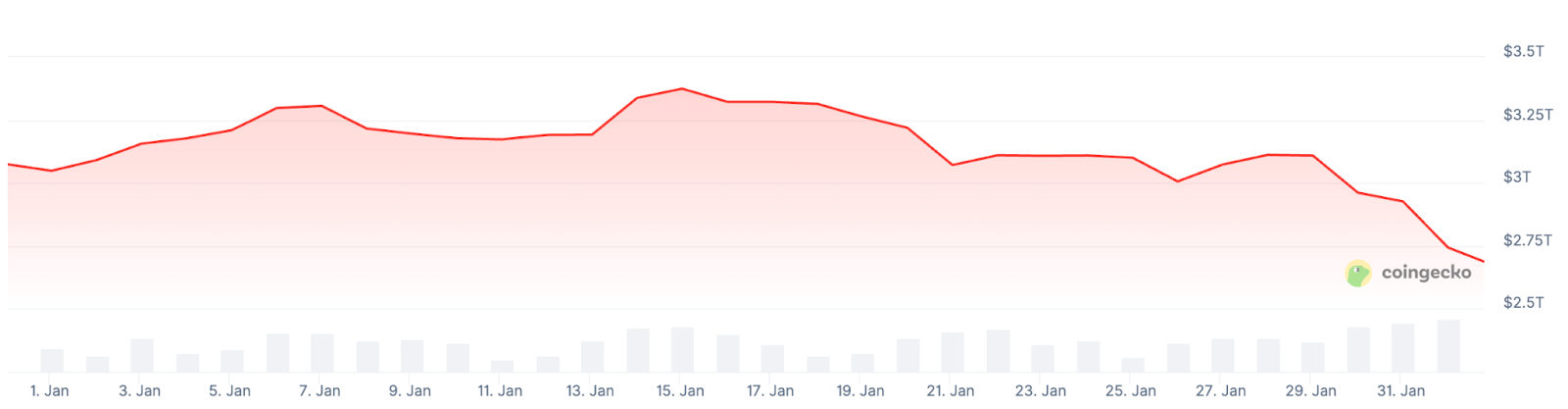
January’s total crypto market cap followed a clear two-phase pattern: it started near $3.0T, climbed through the first week to roughly $3.25T, then, after a brief consolidation, pushed to a mid-month peak around $3.35T. From there the trend reversed into a steady second-half derisking, punctuated by a sharper step-down around Jan 21 toward ~$3.0T; a short-lived stabilization and modest rebound in the final week failed to hold, and the month ended with an accelerated selloff to roughly $2.7T. Overall, that implies the market finished ~10–12% below where it began and ~20% off the mid-month high, with downside momentum intensifying into month-end.
Key events in January:
Ripple & XRP: regulatory progress turns into product momentum and price action
XRP jumped ~11% to around $2.38–$2.40, breaking above a multi-week resistance band amid one of its strongest recent volume bursts, as attention rotated into large-cap alts while bitcoin stayed relatively steady. Ripple-linked U.S. spot XRP ETFs were a key catalyst: they reportedly logged about $48M of net inflows in a single day and saw their highest trading volumes since launch, pushing cumulative inflows above $1B in under two months, with no outflow days during that streak. On-chain signals also showed exchange-held XRP at multi-year lows, implying tighter liquid supply that can amplify price moves when demand picks up. The article adds that improving U.S. regulatory sentiment - helped by U.S. Securities and Exchange Commission dynamics such as Caroline Crenshaw’s departure and renewed market-structure legislation chatter - has made XRP a standout beneficiary, with the next technical test being whether price can hold above the former resistance zone.
Ripple said it received preliminary clearance toward an Electronic Money Institution (EMI) license in Luxembourg, a step the firm framed as key to scaling its regulated cross-border product Ripple Payments and related stablecoin/digital-asset payment rails across Europe—potentially enabling broader EU/EEA rollout via regulatory “passporting” once fully authorized. The move follows days after Financial Conduct Authority (FCA) granted Ripple an EMI license and cryptoasset registration in the United Kingdom, underscoring a coordinated licensing push ahead of full MiCA-era operations; Ripple also pointed to its wider stack of 75+ global regulatory approvals as it courts institutional payment flows.
Market Structure & Institutionalization: TradFi moves deeper into crypto rails
Morgan Stanley has moved from being a “crypto distribution” shop to an issuer by filing with the U.S. Securities and Exchange Commission for spot crypto products - initially vehicles tied to bitcoin and solana (and, per broader reporting around the same filings, also ether) - a notable shift given how quickly crypto ETFs have become a mainstream wrapper for regulated exposure. The filings, made by Morgan Stanley Investment Management, describe passive, spot-linked trusts intended to track the underlying asset’s price (with the Solana product discussed as potentially incorporating staking economics), and they land amid a wider Wall Street push into digital assets as perceived regulatory friction eases and investor demand concentrates in liquid, exchange-traded formats rather than direct token custody
Goldman Sachs CEO said on the firm’s Q4 earnings call that Goldman is now devoting “significant resources” at a senior level to evaluate three crypto-adjacent themes - tokenization, stablecoins, and prediction markets - but framed the work as exploratory rather than an imminent product launch. The thrust is that Goldman wants to be ready to integrate tokenized assets and programmable cash rails into core businesses (trading, financing, distribution) once U.S. rules on market structure and stablecoins crystallize, and Solomon highlighted prediction markets specifically as an area of active diligence (including recent meetings with leading platforms) with an emphasis on CFTC-regulated venues that resemble derivatives markets Goldman already understands. Overall, the article positions Goldman’s posture as “strategic but cautious”: invest internal bandwidth now, engage policymakers, and move when legal, custody, and capital-treatment guardrails are clear.
CME Group announced it will expand its regulated crypto derivatives lineup by launching Cardano, Chainlink and Stellar futures on February 9, 2026 (pending regulatory review), offering both standard and micro contract sizes to broaden access and improve capital efficiency. CME frames the launch as a response to “record growth” in crypto and rising client demand for trusted, regulated tools to hedge price risk and gain exposure, and it notes that the new products will join its existing suite that includes Bitcoin, Ether, XRP and Solana futures and options, alongside 2025 records in crypto futures/options volume and open interest.
The New York Stock Exchange said it is developing a tokenized securities trading and on-chain settlement platform - subject to regulatory approvals - designed to support 24/7 trading of U.S.-listed equities and ETFs, fractional shares, instant settlement, orders sized in dollar amounts, and stablecoin-based funding, by combining the NYSE’s Pillar matching engine with blockchain-based post-trade systems that can support multiple chains for settlement/custody; ICE also said the platform would power a new NYSE venue where tokenized shares are fungible with traditionally issued securities (and could also include natively issued digital securities) while preserving dividend and governance rights, and noted parallel work with banks including BNY and Citi to support tokenized deposits across ICE clearinghouses to move money and meet margin needs outside traditional banking hours.
Tether’s new U.S.-focused stablecoin USAT, issued via Anchorage Digital’s regulated structure, as the first credible domestic challenge to Circle’s USDC for institutional settlement and cash-management flows, arguing USAT could win share if it pairs U.S. regulatory positioning with strong institutional distribution and leverages Tether’s global USDT network connectivity; at the same time, commentators such as Noelle Acheson framed the competitive risk as real but execution-dependent, while ClearStreet’s Owen Lau characterized the impact on Circle as “manageable” and noted a potential downside for Tether itself—cannibalization between USAT and USDT if institutions migrate without expanding the overall franchise.
The Macro Unrest
A policy fight over stablecoin “yield” - whether platforms and issuers should be allowed to pass through interest/rewards generated by reserve assets - is now threatening to derail the U.S. CLARITY Act, after Coinbase withdrew its support and the White House signaled it could reconsider backing the bill as well. The dispute pits major banks (arguing yield-bearing stablecoins could accelerate deposit flight and create bank-like products outside the insured system) against crypto firms (arguing a ban would hard-code an anti-competitive advantage for banks and kneecap consumer-facing stablecoin adoption). Reuters notes the issue has become such a chokepoint that the White House has stepped in to convene industry and banking leaders to broker a compromise, with estimates like Standard Chartered’s projection that stablecoins could pull hundreds of billions from U.S. bank deposits underscoring the stakes.
Donald Trump said on Jan. 19 that the United States was considering imposing a 10% import tariff starting Feb. 1, 2026, on goods from Denmark, Norway, Sweden, France, Germany, the United Kingdom, the Netherlands, and Finland, framing the threat as retaliation for those countries’ opposition to U.S. control of Greenland. He also warned that the tariff could be raised to 25% on June 1, 2026, if no agreement were reached for what he described as a “complete and total purchase” of the island. The announcement was widely seen as a sharp escalation toward NATO allies and raised questions about the legal basis for such action, including whether emergency powers — reportedly being tested in a Supreme Court case — could be invoked. Trump pointed on Truth Social to recent visits to Greenland by representatives of some of the affected countries. However, the tariff proposal was later put on hold and did not take effect, following diplomatic discussions and international pushback, including public demonstrations in Greenland’s capital supporting self-governance.
Despite the market turbulence, Strategy disclosed a “Bigger Orange” Bitcoin accumulation, buying 22,305 BTC for about $2.13B at an average price near $95,284 over Jan. 12–19, 2026, lifting total holdings to ~709,715 BTC; the purchases were financed via proceeds from its at-the-market equity offering program, reinforcing the firm’s ongoing “buy-the-dip” signaling strategy even as crypto volatility pressured risk assets—Strategy shares fell on the news alongside a BTC pullback, and the company’s prior filing also highlighted a sizable Q4 unrealized loss on its digital-asset holdings.
Group Update
During January 2026, our team was heavily engaged in the preparation of the upcoming AGM scheduled for 10 February 2026, while simultaneously working on the closing of the financial statements of the AG as well as Incredulous Labs. This process is planned to be completed during February 2026, thereby enabling the audit process to be initiated in a timely manner thereafter.
In parallel, the assets valuation process (i.e., equity and SAFT agreements) with AVS-Valuation GmbH has progressed and is expected to be concluded with the planned publication of the top 15 assets valuation in February 2026. Furthermore, the first research report with Edison is in its final phase and is expected to be published during the course of February 2026.
As for development on the financial side, further capital distribution from Permanent Ventures Fund has been communicated to the company and is planned to take place during the course of February 2026, while our team continues its efforts to monetize the illiquid group assets.
Furthermore, our team has been engaged in multiple discussions with VCs in our network regarding potential scopes for collaboration on an accelerator program, which remains ongoing. Further information will be disclosed should these discussions materialize.
Towards the end of January, GBC Research, in collaboration with our team, published a research paper that included an interview, which can be accessed here.
Portfolio Update
Light Protocol: January focused on ecosystem engagement and developer adoption for Light Protocol rather than a new standalone launch. The team participated in the Solana Privacy Hack held in mid-January, a community initiative aimed at advancing privacy-focused tooling on Solana. Light Protocol was featured as a key partner, reinforcing its position as core infrastructure for ZK compression and rent-free state on Solana.
Through its involvement in developer programs and privacy-focused initiatives, Light Protocol continued to promote practical experimentation with compressed accounts and tokens. This approach supports the broader goal of reducing state costs on Solana while maintaining performance and composability.
Overall, January marked a month of continued ecosystem positioning, with Light Protocol strengthening awareness and adoption of ZK compression as a scalable building block for next-generation Solana applications.
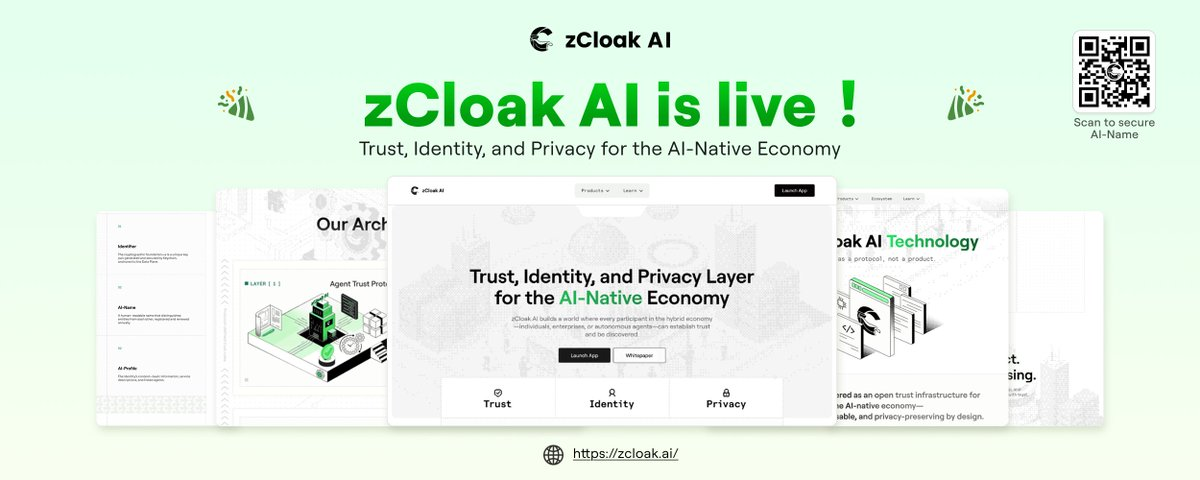
zCloak Network: January saw zCloak continue to expand its privacy-preserving identity infrastructure and ecosystem footprint. A key highlight was a collaboration with UXLINK and TinTinLand, focused on enabling trusted and privacy-aware AI agent execution in Web3, reinforcing zCloak’s role as core identity infrastructure.
The project also shared an update on zCloak AI, which introduces trust primitives for verifiable interactions and on-chain reputation, beginning with support for AI-Name registration, a foundational step toward trusted AI workflows. Additionally, zCloak’s partnership with CoinAnk brought its zero-knowledge proof and decentralized identity stack into trading and analytics experiences, helping improve privacy and security for end users.
In its social communications, zCloak highlighted ongoing growth in developer support and ecosystem integrations, signaling continued momentum across identity, privacy, and AI-centric Web3 tooling.

Polymer: In January, Polymer Labs continued to strengthen its position as a core interoperability infrastructure provider, focused on enabling seamless communication between Ethereum Layer-2s using its IBC-based routing architecture. Rather than announcing a major new product, the team emphasized the importance of standardized and modular cross-chain execution as the ecosystem continues to scale.
Throughout the month, Polymer highlighted its vision of making cross-chain interactions feel native, with a focus on reliability, security, and long-term scalability. Ongoing on-chain activity and messaging reinforced that Polymer’s infrastructure is actively operating and evolving as adoption grows.
Overall, January reflected steady execution and positioning, with Polymer continuing to build toward a more connected and composable multi-chain ecosystem.

Panoptic: In January, Panoptic continued advancing its on-chain options infrastructure as it prepares for the next major version of its protocol. The team published its “Panoptic Insights: January Newsletter,” which recapped progress on Perpetual Option Vaults (POVs) and shared industry context around the evolving DeFi options landscape, reinforcing the upcoming V2 build as a key focus for the year.
January also marked the continuation of Panoptic’s security and audit efforts, with its core audit cycle wrapping up in early January after running through late December and reinforcing confidence in the protocol’s smart contracts ahead of the V2 rollout.
Overall, January’s updates show Panoptic moving steadily toward Panoptic V2 and POVs, with an emphasis on security, community communication, and preparing foundational infrastructure that aims to bring more scalable, perpetual options products on-chain.

Peaq: In January, peaq continued building momentum around its Machine Economy vision with a focus on user experience, ecosystem growth, and future expectations. The peaq app remained a central touchpoint, with the Hardware Store feature highlighted as a simple way for users to browse devices, get hardware, and start earning from real-world machine interactions, reinforcing the utility of peaq’s on-chain DePIN stack for device owners.
Additionally, peaq shared a roadmap-style update titled “What to expect from peaq in 2026,” outlining key upcoming milestones such as the release of the Purple Paper (long-term masterplan), new tokenized robots earning rewards, broader MachineX activity, SDK upgrades, and deeper AI agent + machine integrations. This helped frame January as a planning and awareness month, keeping the community aligned on core priorities for the year ahead.
January reflected steady ecosystem positioning, developer focus, and a continued emphasis on making the Machine Economy more accessible to both users and builders.
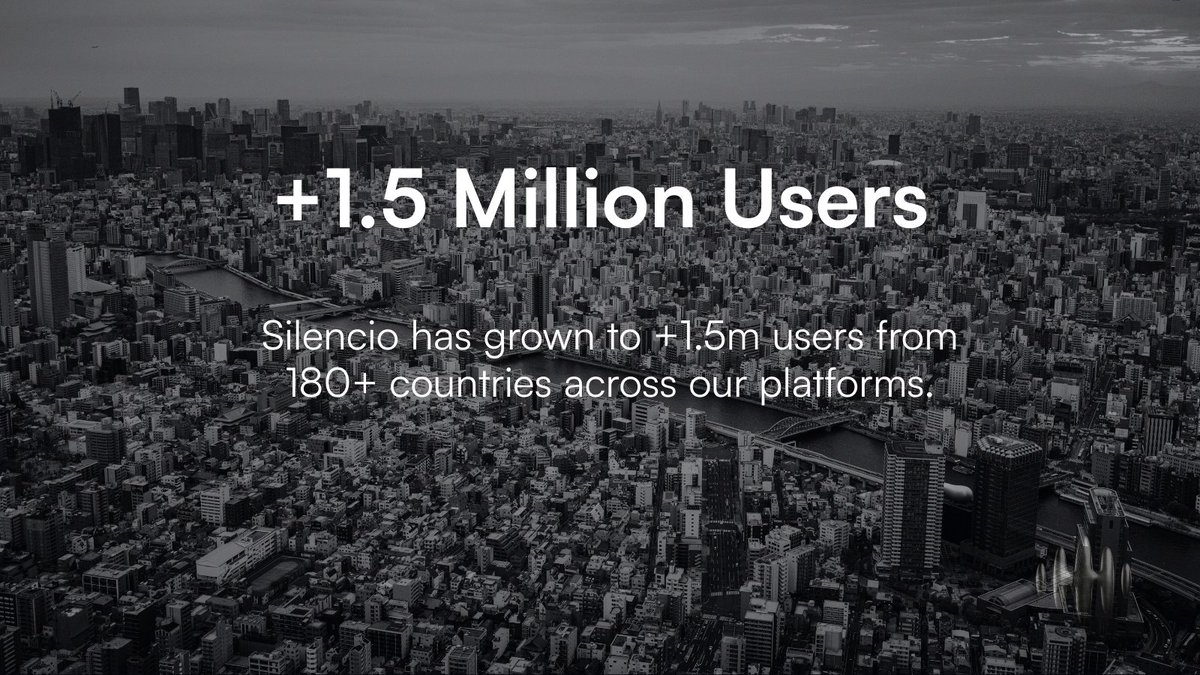
Silencio: Silencio highlighted that voice AI data demand continues to far exceed supply, signaling strong interest in its dataset. To help close the gap, the team encouraged more contributors to join the network and submit voice data, reinforcing that expanding the supply side remains a top priority.
Silencio also shared updates on stablecoin payout timing and wallet support, helping contributors understand how and when they’ll receive rewards.
January was focused on scaling data collection and improving contributor engagement as the network prepares for higher demand ahead.

Teneo: In January, Teneo made steady progress toward maturing its decentralized AI agent ecosystem with several key developments that moved the project into more usable and monetizable territory.
The Agent Console became fully live, allowing builders and users to interact with AI agents in a real environment, test functionality, and see real-time responses from deployed agents, a meaningful step beyond early prototypes. Agents can now earn USDC instantly for each request completed using the x402 payments upgrade, turning them into revenue-generating microservices rather than just experiments.
Teneo also shared updates on the rollout of its Agent SDK, which gives developers the tools to build, deploy, and manage autonomous agents on the protocol, and confirmed USDC airdrops for early participants (Golden Ticket holders) to help them test the system without barriers.
January showed Teneo transitioning from core infrastructure development into live usage and monetization, with agents actively processing real tasks and generating real value on the network.
Closing Remarks
January marked a dynamic and demanding start to 2026, shaped by heightened macro volatility, rapid shifts in market sentiment, and continued structural maturation across the digital asset ecosystem. Against a backdrop of risk-off conditions and geopolitical uncertainty, we saw clear evidence of both institutional deepening and technological progress, reinforcing our long-term conviction.
Throughout the month, we remained focused on strengthening the group’s operational and financial foundations. Significant efforts were dedicated to the preparation of the upcoming AGM, the closing of financial statements across the AG and Incredulous Labs, and the advancement of asset valuation and external research initiatives. In parallel, we continued to make progress on strategic discussions around potential accelerator collaborations, all aimed at positioning the group for sustainable growth.
Across our portfolio, January reflected steady execution rather than headline-driven launches. Our portfolio companies advanced core infrastructure, developer adoption, and real-world usability across multiple verticals. Several projects transitioned meaningfully from concept to live usage and monetization, while others deepened ecosystem engagement and clarified their roadmaps for the year ahead.
We thank our shareholders and partners for their continued support and look forward to sharing further progress in the coming months.
Best regards,
Your Advanced Blockchain Team
.svg)

.svg)

